
Minecraft Zombies 2026: Ultimate Survival Guide
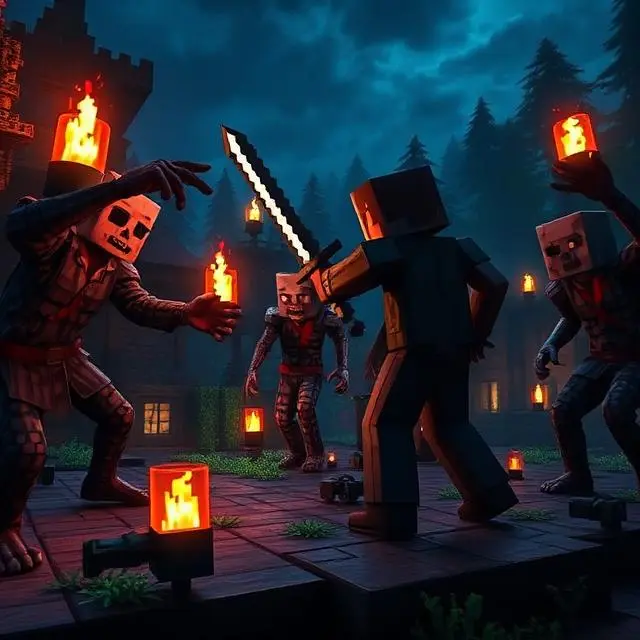
The first night in Minecraft is always the same story. You punch a tree, build a dirt box, and then stand inside it listening to groaning sounds outside while questioning every decision you’ve ever made. Those groans belong to zombies—and in 2026, they’re more relevant than ever.
Whether you’ve been playing since the beginning or just picked up the game last week, understanding Minecraft zombies deeply changes how you play. Not just surviving them—using them, farming them, curing them, and honestly respecting them a little. This guide covers everything you need to know.
How Minecraft Zombies Actually Behave
During the day, zombies burn in sunlight. Simple enough. But they’re smarter than they look—they’ll seek shade under trees, dive into water to avoid burning, and even pick up items lying on the ground. If a zombie finds a helmet, it’ll put it on and walk around in broad daylight like it owns the place.
At night, they lock onto players within a 40-block range. They chase you persistently, and here’s the part new players often miss—they can pathfind around obstacles. They won’t just bang into a wall forever. They’ll find a way around if one exists. Keep that in mind when you think your base design is clever.
Zombies also call for backup. Hit one, and nearby zombies hear it and come running. This is called zombie reinforcement, and it’s the reason solo night fights can go sideways fast.
Where Zombies Spawn in Your World
Minecraft zombies spawn in low-light conditions—light level zero, to be specific, since the 1.18 update changed the rules. That means they can’t spawn anywhere with even a tiny bit of light reaching it.
Common spawning spots include:
- Open land at night with no torches nearby
- Caves and underground tunnels you haven’t lit up yet
- Inside abandoned mineshafts and dungeons
- Woodland mansions and other dark structures
- The Nether, in specific zombie-adjacent forms
If zombies keep appearing near your base, the fix is almost always more lighting. Torches, lanterns, glowstone—whatever you have. Cover the ground, and you cut off their ability to spawn entirely.
Every Zombie Variant Worth Knowing
Baby Zombies are small, fast, and genuinely annoying. They move quicker than adults, fit through gaps you’d never expect, and have a habit of appearing at the worst moments. They don’t burn in sunlight either, making daytime encounters surprisingly dangerous.
Husks live in desert biomes and replace regular zombies in those areas. They don’t burn in sunlight at all, and their attacks apply hunger to the player—a nasty effect that drains your food bar faster and makes everything harder. In a desert survival scenario, husks are a serious threat.
Drowned spawn underwater in rivers, oceans, and flooded areas. Some carry tridents, which they throw at you from a distance. Getting ambushed underwater by a drowned holding a trident is one of Minecraft’s more unpleasant surprises. They can also convert regular zombies that spend too long underwater, which is worth knowing.
Zombified Piglins live in the Nether and are technically neutral—they won’t attack unless provoked. Hit one, though, and every zombified piglin in the area immediately turns hostile. They travel in packs, and they’re fast. Aggravating a large group of zombified piglins is a beginner mistake that doesn’t happen twice.
Zombie Villagers are perhaps the most interesting variant. They look horrifying—rotting, grey-skinned versions of regular villagers—but they can be cured and returned to normal. More on that shortly. They spawn naturally in the world and also appear when a zombie attacks and converts a regular villager.
Combat Tips That Actually Work
Fighting Minecraft zombies well isn’t about button-mashing. A few habits make the whole experience cleaner.
Swords deal more damage and are the obvious choice, but axes ignore a portion of shield protection, making them useful in situations where you’re overwhelmed. Knockback enchantments buy you space when multiple zombies close in at once.
The sprint-hit approach—sprint forward, strike, back away—is effective for keeping enemies at a manageable range. Backing into a corner to fight multiple zombies simultaneously is almost always a mistake. Keep your exits open.
If you’re low on resources, use elevated ground. Zombies can’t jump well, and even a two-block platform buys enough time to reset the situation. Combining this with a sword and some basic armor makes early-game zombie encounters genuinely manageable.
Sunlight is your best weapon early on. Kite zombies until morning if your gear isn’t strong enough. It’s not glamorous, but it works.
What Zombies Drop and Why It Matters
Zombie loot is more useful than people give it credit for.
Rotten flesh is the main drop and honestly underrated. Yes, eating it raw causes hunger. But it’s a reliable food source in desperate moments, and villagers accept it as a trade item. It’s also useful in the curing process.
Iron ingots drop rarely but consistently enough to matter in the early game when iron is still valuable. The same goes for carrots and potatoes—both are crop seeds and food sources that zombies occasionally carry.
Zombies that spawn with weapons or armor can drop those items, sometimes with enchantments on them. Finding an enchanted iron sword from a zombie is a genuine early-game upgrade that can carry you for hours.
Rare drops include carved pumpkins from zombie variants wearing them and occasional emeralds from zombie villagers before curing.
Building a Zombie Farm
A zombie farm turns the threat into a resource machine. Built correctly, it generates rotten flesh, iron, and experience points passively while you do other things.
The basic concept uses a spawner room or dark spawn platform, funnels zombies through water channels into a central kill zone, and lets you finish them off for full loot and XP. The key design requirements are
- A completely dark spawning area (no stray light)
- Water flow that moves zombies without killing them
- A collection point where you can hit them from safety
- Trapdoors or fall damage to weaken them before the killing blow
Mob spawner-based farms are faster to build but require finding a dungeon. Platform farms take more space and materials but work anywhere and scale better over time.
Either way, a zombie farm pays for itself within an hour of use and keeps generating value indefinitely. Every serious Minecraft player eventually builds one.
Curing Zombie Villagers—Step by Step
This is one of the most rewarding mechanics in Minecraft, and most players either don’t know about it or find it too complicated to bother with. That’s a mistake, because cured villagers offer massively discounted trades permanently.
The process works like this:
First, get a splash potion of weakness. Brew it using a fermented spider eye and a water bottle in a brewing stand. Second, get a golden apple—crafted with an apple surrounded by eight gold ingots.
Find a zombie villager, throw the weakness potion at it, then feed it the golden apple by right-clicking. Red particles appear, then the curing process begins. It takes between two and five minutes. The zombie shakes, groans, and eventually transforms back into a healthy villager—one that will offer you trades at a significant discount as a thank-you.
Doing this in a safe, enclosed space is recommended. The process takes time, and a creeper interrupting it is deeply frustrating.
Fun Facts Most Players Don’t Know
Minecraft zombies have been part of the game since the very early development days, and a few quirks have survived every update:
- Zombies can pick up and wear full armor sets, including helmets that protect them from the sun.
- Baby zombies have a small chance of spawning riding a chicken—the infamous “chicken jockey”—which is just as chaotic as it sounds
- Zombies that drown in water slowly transform into drowned, a mechanic that can be used intentionally in farms
- The groan sound zombies make is directional—you can actually hear which direction they’re coming from if you listen carefully
- Zombies occasionally spawn in groups already surrounding a villager, simulating a siege
Survival Strategies for Every Stage of the Game
Mid game: build elevated paths between your structures, invest in good armor enchantments like Protection and Feather Falling, and get a zombie farm running as soon as you locate a dungeon.
Late game: cure zombie villagers for discounted trades, use your farm for XP and iron automation, and focus on base lighting so zombies simply stop being a factor in your daily routine.
Zombies never fully go away in Minecraft. But with the right setup, they go from a constant threat to a quiet background resource—groaning in your farm while you get on with building something great.
Minecraft Zombies FAQs
The rarest drops include enchanted weapons and armor that zombies occasionally carry when they spawn. The enchantments are random, but finding a highly enchanted piece early in a playthrough feels like a lottery win.
Yes. Zombie villagers can generate naturally in the world, particularly in igloo basements and occasionally in regular zombie spawning conditions. You don’t need to witness a conversion to find one.
The curing process typically takes between two and five minutes after applying the weakness potion and golden apple. Placing beds and iron bars near the curing villager slightly speeds up the process.
In standard survival mode, zombie difficulty stays relatively consistent but scales with the game’s regional difficulty system — the longer you stay in one area, the harder mobs in that area become. On Hard mode, zombies deal more damage and have a higher chance of spawning with armor and weapons.